

 +90 507 720 57 60
How Often Should You Have an Eye Exam?
Regular eye examinations are one of the most important steps in maintaining healthy vision and detecting eye diseases at an early stage. Many serious eye conditions such as glaucoma, cataracts, macular degeneration, and diabetic retinopathy often progress silently without noticeable symptoms in the early stages. Therefore, routine eye check-ups play a critical role in preventing permanent vision loss.
The frequency of eye exams depends on age, general health status, and risk factors. For healthy individuals, an eye exam every 1–2 years is generally recommended, while children and older adults may require more frequent evaluations. Individuals over the age of 40 are advised to have annual eye exams due to the increased risk of glaucoma and cataracts.
Eye examinations are especially important during childhood for proper visual development. The first eye exam should be performed shortly after birth, followed by regular check-ups between the ages of 2–4 and before starting school. These evaluations help detect conditions such as lazy eye, strabismus, and refractive errors at an early stage.
Individuals with systemic diseases such as diabetes and hypertension require more frequent eye examinations. Diabetic patients, in particular, should undergo a detailed retinal examination at least once a year due to the risk of diabetic retinopathy. Similarly, individuals with a family history of glaucoma should be monitored more closely.
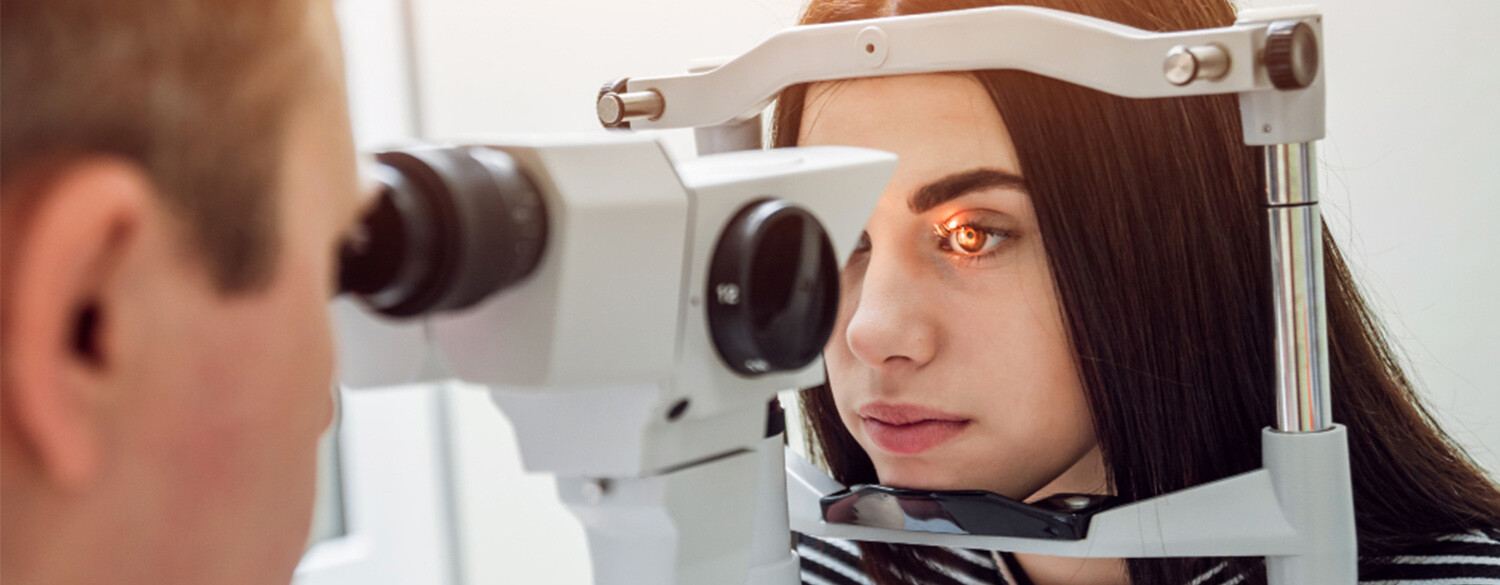
A comprehensive eye exam includes visual acuity testing, intraocular pressure measurement, retinal evaluation, and advanced imaging techniques such as OCT when necessary. These methods allow early detection of eye diseases and improve treatment outcomes.
Regular eye examinations are essential not only for diagnosing existing conditions but also for preventing future vision problems. Early detection significantly increases treatment success and helps preserve long-term visual health.