

 +90 507 720 57 60
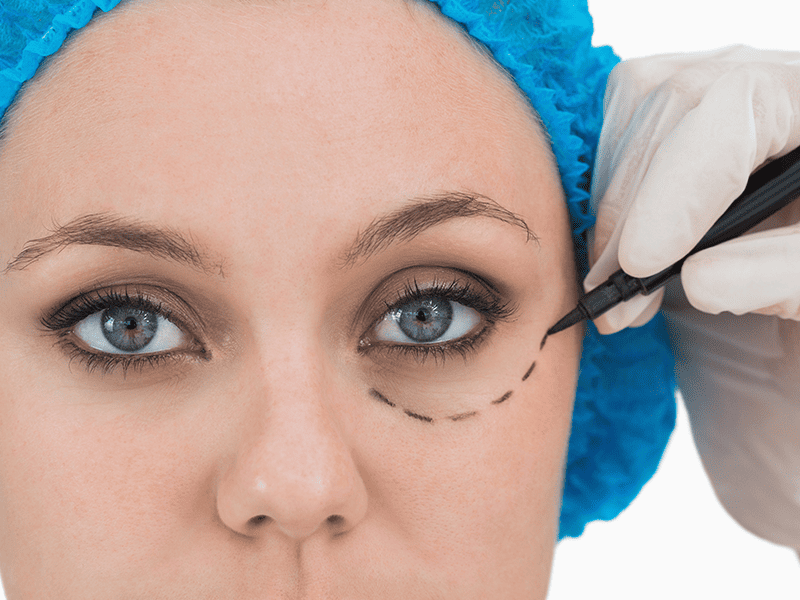
Eyelid Surgery and Periocular Aesthetic Treatments
Eyelid surgery (blepharoplasty) and periocular aesthetic treatments are modern procedures performed to improve both appearance and function around the eyes. Aging, genetic predisposition, sun exposure, and environmental factors can lead to sagging skin, under-eye bags, wrinkles, and loss of skin elasticity. These changes often create a tired, aged, and less vibrant facial expression.
Blepharoplasty is a surgical procedure that removes excess skin, muscle, and fat from the upper and/or lower eyelids. In the upper eyelid, excess skin may not only affect aesthetics but also narrow the visual field, impacting daily life. In the lower eyelid, puffiness and loose skin contribute to a fatigued appearance. This procedure restores a more youthful, refreshed, and natural look to the eye area.
The surgery is typically performed under local anesthesia and takes approximately 30 to 60 minutes. Incisions in the upper eyelid are made along the natural crease, while lower eyelid incisions are placed just below the lash line or inside the eyelid when appropriate. After removing excess tissue, the incisions are closed with fine sutures, leaving minimal visible scarring. Recovery is generally quick, with mild swelling and bruising subsiding within a few days.
Periocular aesthetic treatments also include non-surgical options. Botulinum toxin (Botox) helps reduce fine lines and crow’s feet, while dermal fillers restore volume in the under-eye area for a smoother, more youthful appearance. Laser treatments and skin rejuvenation procedures improve skin texture and reduce fine wrinkles. These treatments can be performed alone or combined with surgery for enhanced results.
The main benefits of eyelid surgery and periocular aesthetics include a younger and more dynamic appearance, improved facial expression, and in some cases, a wider field of vision. When properly planned and performed by an experienced specialist, the results are natural, long-lasting, and highly satisfying.
Each procedure should be customized according to the patient’s facial anatomy and individual needs. With expert evaluation and personalized treatment planning, both aesthetic and functional improvements can be successfully achieved.
Frequently Asked Questions
Healthy individuals should have an eye exam every 1–2 years. People over 40 or with diabetes or glaucoma risk should be examined annually.
Yes, regular eye exams allow early detection and prevention of serious vision problems.
Diabetes can damage retinal blood vessels, leading to diabetic retinopathy and possible vision loss if untreated.
Glaucoma often has no early symptoms. It may cause peripheral vision loss, headache, blurred vision, and tunnel vision in advanced stages.