

 +90 507 720 57 60
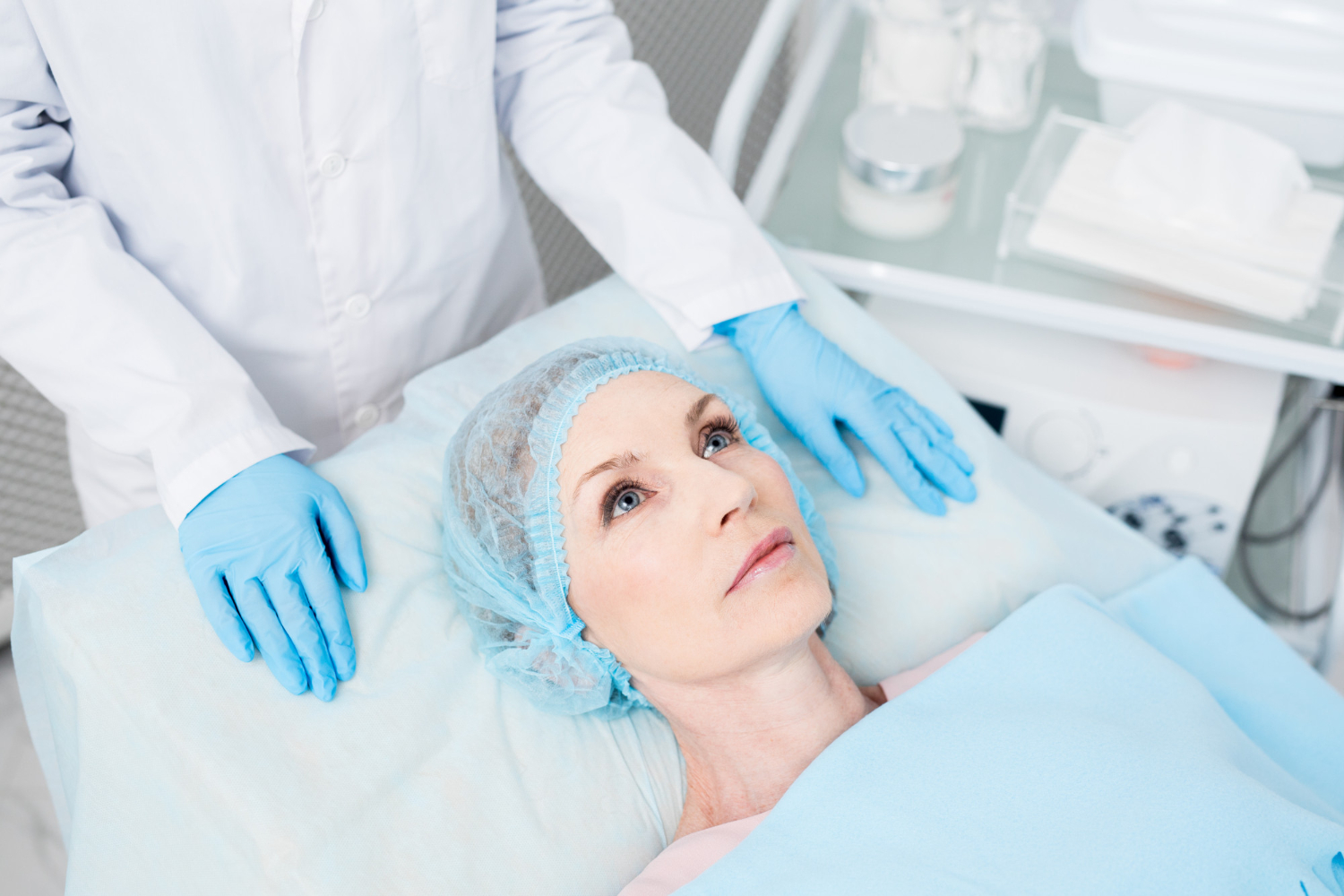
Medical Aesthetic Treatments (Botox, Fillers and Laser)
Medical aesthetic treatments are modern, non-surgical procedures designed to reduce signs of aging and improve overall skin appearance. The eye area is one of the most expressive parts of the face, making aesthetic treatments in this region highly popular. Procedures such as botox, dermal fillers, laser treatments, and mesotherapy provide effective and fast results, helping individuals achieve a more youthful and refreshed look.
Botox is widely used to reduce wrinkles caused by repetitive facial expressions. It is especially effective for crow’s feet around the eyes, forehead lines, and frown lines between the eyebrows. The procedure is quick and aims to maintain a natural facial expression.
Dermal fillers are used to restore lost volume in the skin. Hyaluronic acid-based fillers help reduce under-eye hollows, fine lines, and enhance facial contours, providing a smoother and more youthful appearance.
Laser treatments are applied to stimulate collagen production and improve skin texture. They are effective in reducing fine wrinkles, pigmentation, and uneven skin tone, especially around the delicate eye area. Laser procedures contribute to a brighter and healthier skin appearance.
Periocular mesotherapy involves injecting vitamins, minerals, and hyaluronic acid into the skin to improve hydration and elasticity. This treatment revitalizes tired and dull-looking skin, particularly around the eyes, resulting in a more vibrant and refreshed look.
Medical aesthetic procedures are typically quick, minimally invasive, and do not require downtime. However, treatment plans should always be personalized according to the patient’s needs. For safe and natural-looking results, these procedures must be performed by an experienced specialist.
With regular applications and proper skincare, medical aesthetic treatments can provide long-lasting benefits, improve skin quality, and slow down the aging process.
Frequently Asked Questions
Healthy individuals should have an eye exam every 1–2 years. People over 40 or with diabetes or glaucoma risk should be examined annually.
Diabetes can damage retinal blood vessels, leading to diabetic retinopathy and possible vision loss if untreated.
Signs include covering one eye, tilting the head, sitting close to screens, and difficulty seeing the board at school.
Yes, cataract surgery is one of the safest and most commonly performed eye surgeries with a very high success rate.