

 +90 507 720 57 60
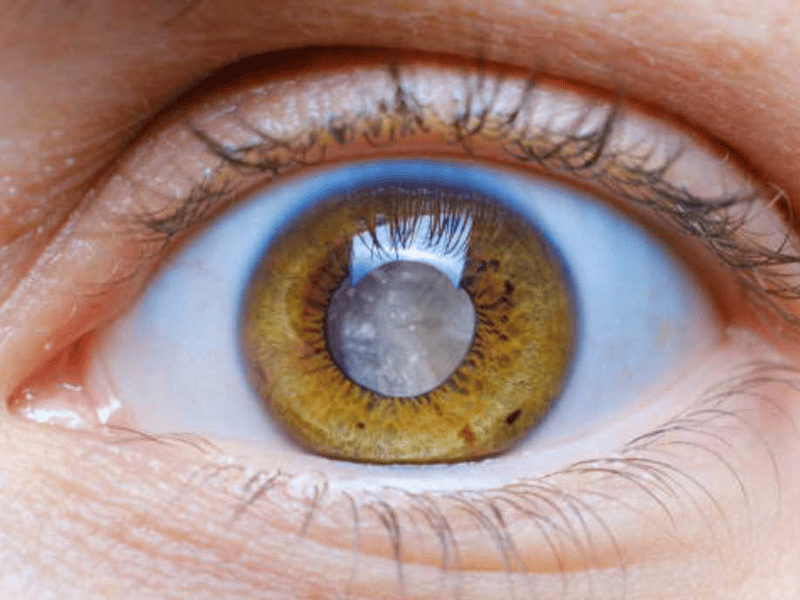
Glaucoma (Eye Pressure)
Glaucoma is a serious eye disease characterized by increased intraocular pressure that can lead to irreversible damage to the optic nerve and progressive vision loss if left untreated. Often referred to as the “silent thief of sight,” glaucoma typically develops without noticeable symptoms in its early stages, making regular eye examinations essential for early detection.
The condition occurs when the fluid inside the eye cannot drain properly, leading to increased pressure that damages the optic nerve over time. The most common type, open-angle glaucoma, progresses slowly and painlessly, while angle-closure glaucoma develops suddenly and requires immediate medical attention. Other forms include secondary glaucoma, caused by trauma or other eye conditions, and congenital glaucoma, which is present at birth.
In the early stages, glaucoma may not cause noticeable symptoms. As the disease progresses, patients may experience peripheral vision loss, blurred vision, halos around lights, eye pain, headaches, and in severe cases, sudden vision loss. Acute angle-closure glaucoma may present with severe eye pain, nausea, and rapid visual impairment, requiring urgent treatment.
Diagnosis involves comprehensive eye examinations and advanced diagnostic techniques. Intraocular pressure is measured using tonometry, while visual field testing (perimetry) evaluates peripheral vision loss. Optical Coherence Tomography (OCT) provides detailed imaging of the optic nerve, and gonioscopy helps determine the type of glaucoma by examining the eye’s drainage angle.
The primary goal of glaucoma treatment is to lower intraocular pressure and prevent further optic nerve damage. Treatment options vary depending on the stage and type of the disease. Eye drops are typically the first line of treatment. If medications are insufficient, laser therapy can improve fluid drainage. In advanced cases, surgical procedures are performed to create new drainage pathways. Minimally invasive glaucoma surgery (MIGS) has become an effective modern option with faster recovery and fewer complications.
Although glaucoma cannot always be prevented, early diagnosis and regular monitoring can effectively control the disease. Individuals over 40, those with a family history of glaucoma, and patients with diabetes or hypertension should undergo routine eye examinations.
Early detection and proper treatment can significantly slow or prevent vision loss. However, lost vision cannot be restored, making timely diagnosis and adherence to treatment critically important for preserving eye health.
Frequently Asked Questions
People over 50, smokers, and those with genetic predisposition are at higher risk.
Botox, fillers, laser treatments, and skin rejuvenation methods are commonly used.
Glaucoma often has no early symptoms. It may cause peripheral vision loss, headache, blurred vision, and tunnel vision in advanced stages.
It removes excess skin and fat from eyelids, improving both appearance and visual field.