

 +90 507 720 57 60
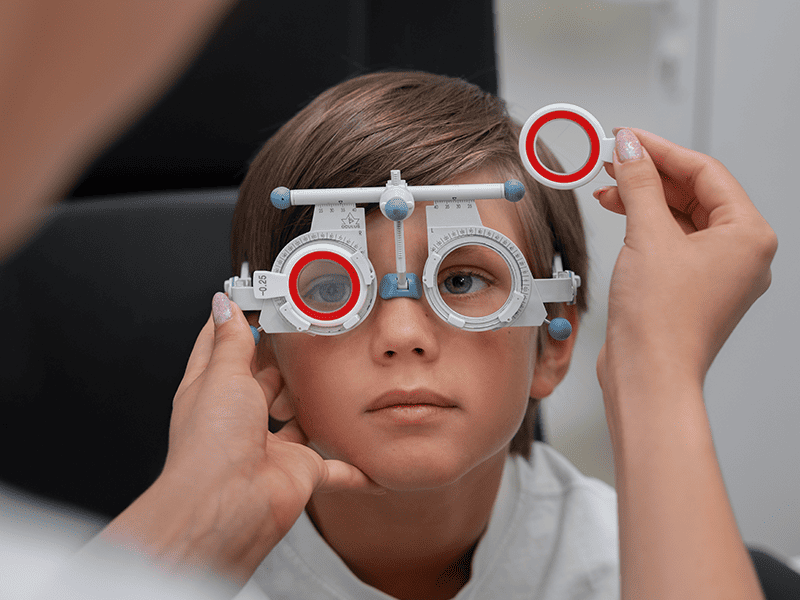
Pediatric Eye Health and Strabismus
Pediatric eye health is a critical foundation for lifelong vision quality. From birth through early childhood, the visual system develops rapidly, making early diagnosis and intervention essential. If eye disorders are not detected and treated in time, they may lead to permanent vision loss and conditions such as amblyopia (lazy eye). Regular eye examinations are therefore vital in monitoring a child’s visual development.
Common eye conditions in children include strabismus, refractive errors (myopia, hyperopia, and astigmatism), and amblyopia. Strabismus occurs when the eyes are not properly aligned and cannot focus on the same point simultaneously. Beyond being a cosmetic concern, it significantly affects visual development. The brain may suppress the image from one eye, leading to long-term vision impairment if left untreated.
Healthy vision is not only important for clear sight but also plays a key role in a child’s cognitive development, learning ability, academic performance, and social interactions. Children with undiagnosed vision problems may struggle with concentration, reading, and writing skills, which can negatively impact their education.
Eye examinations should begin shortly after birth and continue regularly throughout early childhood. Between the ages of 2 and 4, routine check-ups help detect refractive errors and early signs of eye conditions. A comprehensive eye exam before starting school is essential to identify any underlying vision problems.
Treatment for strabismus varies depending on the cause and severity. Glasses may correct alignment issues caused by refractive errors, while patching therapy helps strengthen a weaker eye. Orthoptic exercises can improve eye coordination, and in more advanced cases, surgical intervention may be required to correct eye muscle alignment.
To maintain good eye health in children, regular eye exams, limited screen time, and a balanced diet rich in vitamin A and essential nutrients are highly recommended. Preventive care and early intervention significantly improve visual outcomes.
Early diagnosis and appropriate treatment ensure healthy visual development and help prevent serious eye conditions in the future. Parental awareness and timely medical consultation play a crucial role in protecting children’s eye health.
Frequently Asked Questions
It removes excess skin and fat from eyelids, improving both appearance and visual field.
Yes, regular eye exams allow early detection and prevention of serious vision problems.
Aging, genetics, stress, lack of sleep, and fat tissue displacement are the main causes.
Signs include covering one eye, tilting the head, sitting close to screens, and difficulty seeing the board at school.