

 +90 507 720 57 60
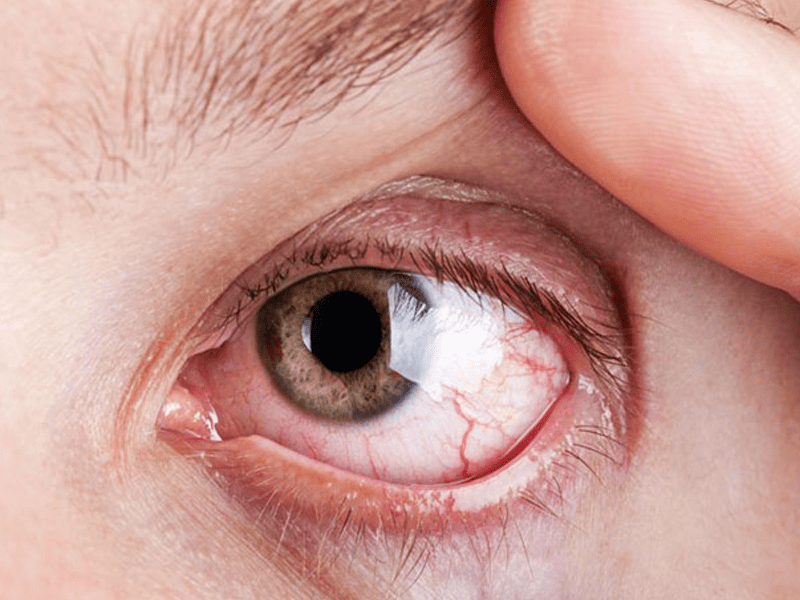
Diabetic Eye Disease (Diabetic Retinopathy)
Diabetic eye disease, also known as diabetic retinopathy, is one of the most serious complications of diabetes and can lead to permanent vision loss if left untreated. Prolonged high blood sugar levels damage the tiny blood vessels in the retina, the light-sensitive layer at the back of the eye, causing leakage, bleeding, and tissue damage. As the condition progresses, it may result in diabetic macular edema, abnormal new vessel formation, and even retinal detachment.
The retina plays a vital role in vision, and even minor damage can significantly affect visual quality. Diabetic retinopathy often develops silently in its early stages without noticeable symptoms. However, as it advances, patients may experience blurred vision, dark spots, floaters, faded colors, and sudden vision loss. These symptoms indicate disease progression and require immediate medical attention.
Diagnosis is made through comprehensive eye examinations and advanced imaging techniques. A dilated fundus examination allows direct evaluation of the retina, while Optical Coherence Tomography (OCT) provides detailed cross-sectional images to detect fluid accumulation. Fluorescein angiography is used to assess retinal blood vessels and identify leakage areas, helping determine the severity of the disease.
The cornerstone of treatment is strict control of diabetes. Maintaining stable blood sugar, blood pressure, and cholesterol levels significantly slows disease progression. Depending on the stage, various treatments are applied. Laser photocoagulation helps seal leaking vessels and prevent further damage. Anti-VEGF injections reduce fluid buildup and control macular edema. In advanced cases, vitrectomy surgery may be required to remove intraocular bleeding and repair retinal damage.
Diabetic retinopathy is a manageable condition with early diagnosis and proper treatment. Regular eye examinations, healthy lifestyle habits, and adherence to medical advice are essential for protecting vision in diabetic patients.
With timely intervention and modern treatment methods, vision loss can be prevented, and quality of life can be preserved. Therefore, routine eye check-ups are crucial for individuals living with diabetes.
Frequently Asked Questions
It removes excess skin and fat from eyelids, improving both appearance and visual field.
Yes, regular eye exams allow early detection and prevention of serious vision problems.
People over 50, smokers, and those with genetic predisposition are at higher risk.
Aging, genetics, stress, lack of sleep, and fat tissue displacement are the main causes.