

 +90 507 720 57 60
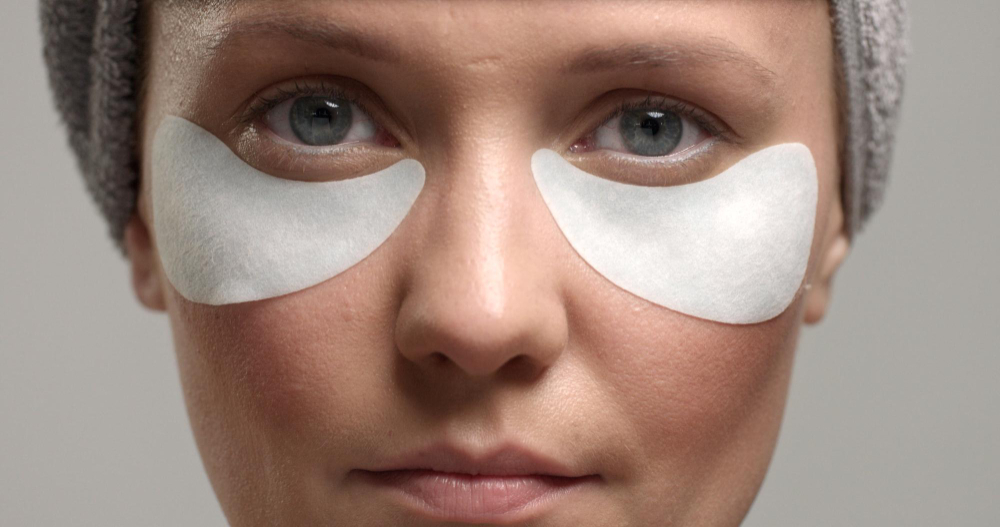
Why Do Under-Eye Bags Form?
Under-eye bags are a common aesthetic concern caused by the protrusion of fat tissue and loss of skin elasticity in the lower eyelid area, resulting in a tired, aged, and dull facial appearance. This condition can affect both men and women and becomes more noticeable with age. Genetic predisposition, lifestyle factors, sleep quality, stress, and environmental influences all play a significant role in their development.
The most common cause of under-eye bags is aging. As the skin and supporting tissues around the eyes weaken over time, fat pads may protrude forward, creating visible puffiness under the eyes. In addition, poor sleep, excessive salt intake, alcohol consumption, smoking, and chronic stress can accelerate the formation of under-eye bags even at younger ages.
Allergies and certain systemic health conditions may also contribute to swelling and fluid retention around the eyes. These bags are often more prominent in the morning and may temporarily reduce during the day, but they can become permanent over time.
Under-eye bags are not only a cosmetic issue; in some cases, they may also be associated with functional problems such as dryness and irritation due to lower eyelid laxity. This can significantly affect facial expression, making a person appear constantly tired or exhausted.
Treatment options vary depending on the severity and underlying cause. Mild cases may benefit from skincare treatments, laser procedures, or dermal fillers. However, in more advanced cases, surgical correction through lower eyelid blepharoplasty is considered the most effective and long-lasting solution.
During surgery, excess fat is removed or repositioned, and loose skin is tightened to achieve a smoother and more youthful eye contour. Recovery is usually quick, and most patients can return to daily activities within a short period.
Although it may not always be possible to completely prevent under-eye bags, healthy lifestyle habits such as regular sleep, avoiding smoking, and maintaining a balanced diet can help slow their progression.