 +90 507 720 57 60
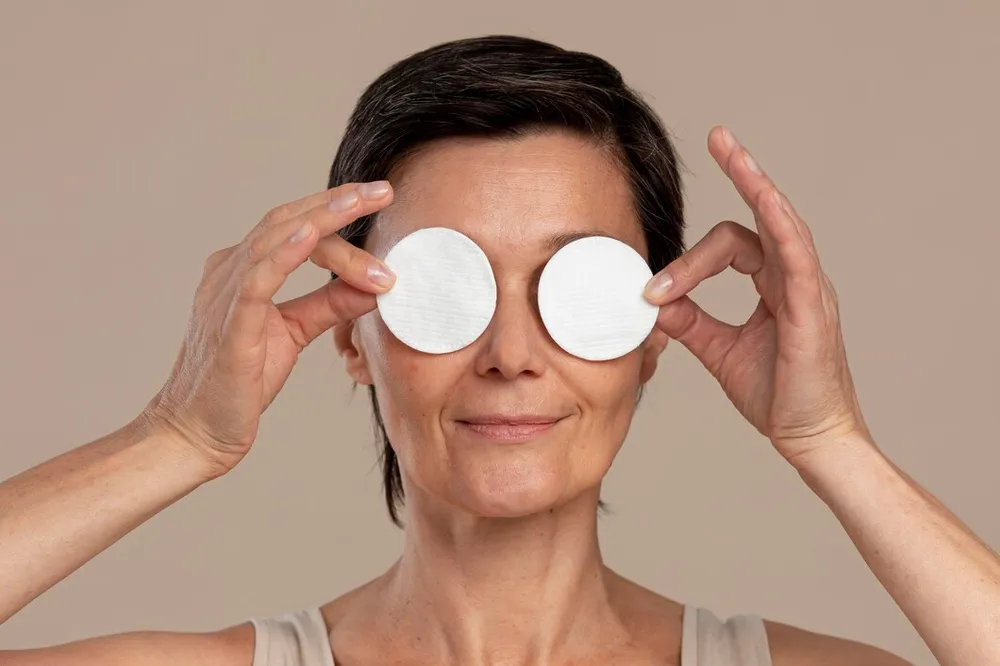
How to Reduce Wrinkles Around the Eyes?
Causes of wrinkles around the eyes and how medical aesthetic options such as botox, fillers and laser are evaluated. Information article.
Key points
- Wrinkles around the eyes are caused by facial expressions, sun damage, smoking and skin thinning with age.
- Botulinum toxin can be effective for expression lines, fillers for volume loss and laser for skin texture.
- Each method differs in its area of use, duration of effect and possible side effects.
- Procedures are planned after a medical examination according to the individual's skin.
Wrinkles around the eyes are one of the most common aesthetic concerns caused by the natural aging process, as collagen and elastin production in the skin gradually decreases over time. Since the skin around the eyes is very thin and delicate, signs of aging appear earlier in this area. Crow’s feet, as they are commonly known, develop due to repeated facial expressions, sun exposure, smoking, stress, and genetic factors.
As skin ages, it loses moisture and elasticity, causing fine lines to deepen and become permanent wrinkles. Frequent facial movements such as smiling, squinting, and expressive gestures accelerate the formation of these lines. Additionally, ultraviolet (UV) exposure speeds up skin aging and intensifies wrinkles around the eyes.
Eye area wrinkles are not only a cosmetic issue; they can also make a person appear tired, older, and stressed, which may negatively affect self-confidence and social interactions.
Treatment options depend on the severity of the wrinkles and skin condition. For mild cases, botox injections, mesotherapy, PRP treatments, and laser therapies can provide effective results. Botox works by temporarily relaxing facial muscles, reducing the appearance of fine lines.
For deeper wrinkles, dermal fillers containing hyaluronic acid can restore lost volume and provide a more youthful and refreshed appearance. Laser treatments stimulate collagen production, offering long-term skin rejuvenation.
In advanced cases with significant skin laxity, surgical procedures such as eyelid and periocular aesthetic surgeries (often combined with blepharoplasty) may provide more permanent results.
While it is not possible to completely prevent eye wrinkles, regular skincare, sun protection, a healthy diet, and avoiding smoking can significantly slow down their development.
When should you see a doctor?
If wrinkles are accompanied by itching, redness, scaling or swelling around the eyes, the cause should be investigated first. Asymmetry, blurred vision or lid droop after a previous procedure should be reported to a physician.
Frequently asked questions
How long does botulinum toxin last?
The effect usually lasts 3–6 months and varies between individuals. Repeat treatment is planned after medical assessment.
Can everyone have under-eye fillers?
No. Skin thickness, puffiness and a tendency to swelling are among the factors that determine suitability and are assessed at the examination.
Does sunscreen prevent wrinkles?
Sun protection is one of the basic measures for slowing skin ageing; it does not remove existing wrinkles but helps reduce progression.
The information on this page is for general information only and does not replace medical examination, diagnosis or treatment. Please consult a physician for your eye health concerns.
Last updated: