

 +90 507 720 57 60
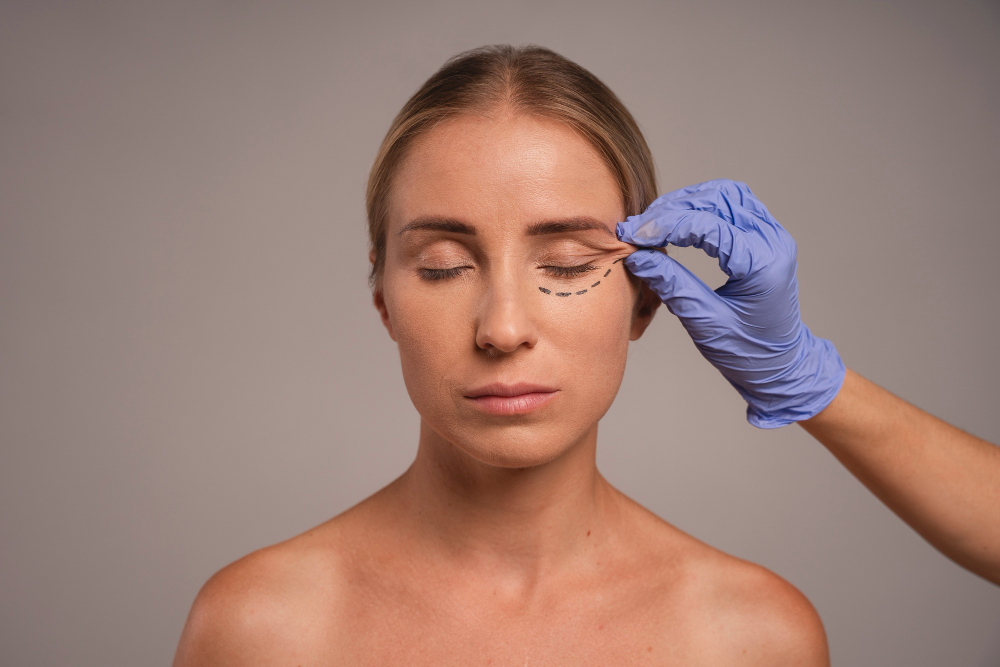
How Is Blepharoplasty (Eyelid Surgery) Performed?
Blepharoplasty, or eyelid surgery, is a surgical procedure designed to remove excess skin, fat, and muscle from the upper and lower eyelids, resulting in a younger, more refreshed, and aesthetically improved eye area. Aging, genetic factors, sun exposure, and loss of skin elasticity can cause sagging eyelids and under-eye bags, which may affect both appearance and, in some cases, vision.
The procedure is typically performed under local anesthesia and may involve the upper eyelids, lower eyelids, or both depending on the patient’s needs. Before surgery, a detailed eyelid and eye examination is performed to determine the most suitable surgical plan.
For upper eyelid surgery, a fine incision is made along the natural eyelid crease, allowing the removal of excess skin, muscle, and fat. For lower eyelid surgery, incisions are made either just below the lash line or inside the eyelid (transconjunctival approach), depending on the case. This helps eliminate under-eye bags and smooth the lower eyelid contour.
The procedure usually takes between 30 and 90 minutes. After surgery, mild swelling, bruising, and sensitivity may occur but typically resolve within a few days. Most patients can return to daily activities shortly after the procedure.
Blepharoplasty is not only a cosmetic procedure. In some patients, excess upper eyelid skin can impair peripheral vision, making the surgery both functional and aesthetic.
During recovery, it is important to protect the eyes, apply cold compresses, use prescribed eye drops, and attend follow-up appointments regularly.
When performed by an experienced specialist with proper patient selection, blepharoplasty provides long-lasting and highly satisfying results, improving both appearance and quality of life.